What to expect
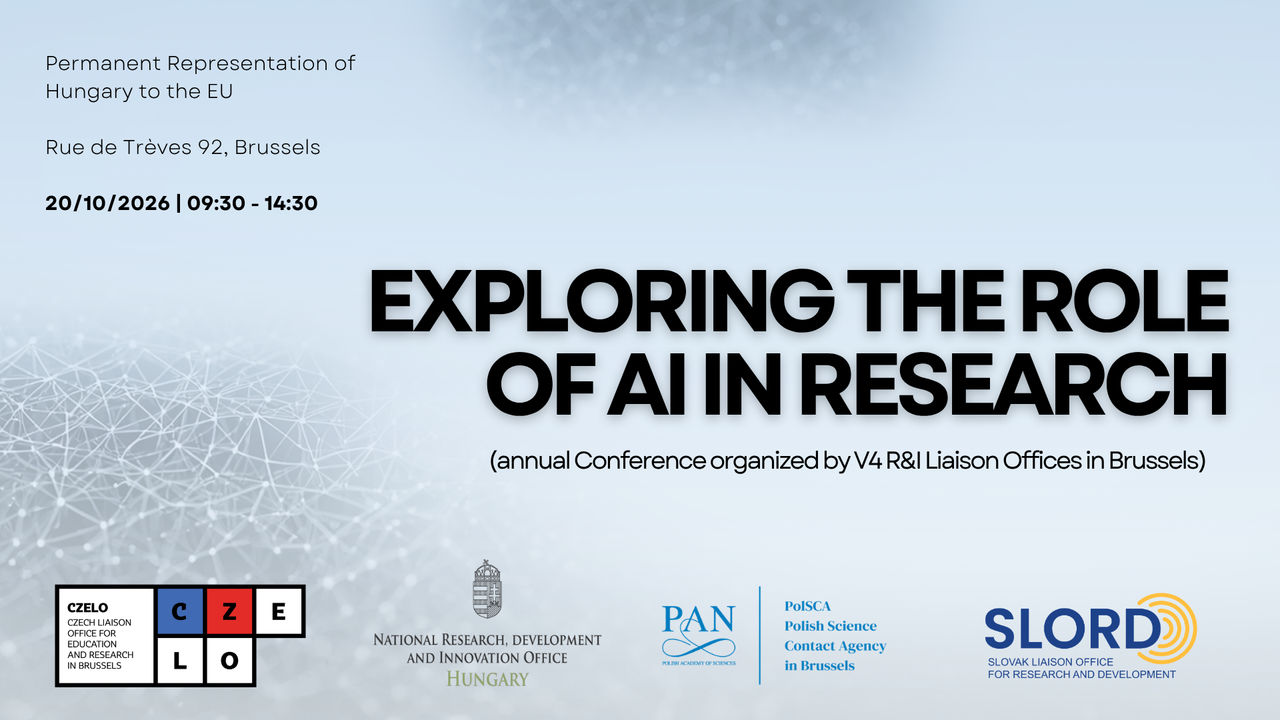
How is AI changing the way research proposals are written and evaluated? Join experts from the European Commission, academia and the V4 region to explore the latest policy developments, share practical experiences and discuss the opportunities and challenges of using AI throughout the proposal lifecycle. Through keynote presentations and interactive roundtables, the conference will provide valuable insights for researchers, research managers, evaluators and research support professionals.
Registration
Agenda
Liviu Știrbăț | Head of AI in Science at the DG for Research and Innovation in the European Commission
How Europe is moving from an AI in Science strategy towards an enabling framework for AI-powered research in practice. The keynote will provide the broader policy context for the discussions that follow, exploring how Europe is seeking to accelerate the responsible uptake of AI across the scientific process by bringing together talent, data, computing capacity and research funding, while at the same time safeguarding scientific integrity, methodological rigour and human responsibility. Particular attention can be given to the transition from policy ambition to implementation through RAISE, the ERA Action on AI in Science and the evolving Living Guidelines on the responsible use of generative AI in research.
Against this broader landscape, the keynote will provide a policy framework for the conference’s two subsequent roundtables on how AI is beginning to change research practice itself – including the way researchers develop ideas, produce scientific content, interact with funding systems and participate in peer review and evaluation.
Barbara Świątkowska, National Science Centre, Poland
AI is beginning to unsettle long-familiar habits in proposal writing — not by replacing researchers, but by reshaping how ideas emerge, take form and become fundable narratives. As tools accelerate drafting, summarising and structuring, questions of ownership, originality and intellectual contribution move to the foreground, echoing the recent EU Guidelines on the Responsible Use of Generative AI in Research, which emphasise transparency, human oversight and clear documentation of how AI is used in scientific work. Institutions now face a new balancing act: supporting researchers who navigate rising workloads and proposal pressure while also safeguarding integrity, accountability and responsible practice. This panel asks how the research system should respond to these shifts, and what questions should bring into Europe’s broader discussion on AI in proposal development.
■ Michal Kompan, Research Director at the KInIT, Slovakia
■ Michaela Liegertová, Vice-Dean at the UJEP, Czechia
■ Sophie Pornschlegel , European Policy Centre, University of Maastricht
Moderator: Barbara Świątkowska, National Science Centre, Poland
Rather than revisiting technical aspects, the conversation centres on shared experiences — how AI is already appearing in proposal development and how these changes are perceived across different parts of the system. The goal is to surface the perspectives, questions and concerns emerging in the V4 region, whether they relate to originality, fairness, workload, skills or responsible practice. By bringing together researchers, EU institutions and NCPs, the session encourages participants to articulate what feels promising, what feels risky and what remains uncertain within their national and institutional contexts.
AI is also beginning to influence how proposals are read, compared and judged — not by replacing evaluators, but by subtly reshaping the assessment process itself. Tools that summarise, cluster or highlight content can speed up review, yet they also raise questions about fairness, consistency and the evaluator’s own judgement. The recent EU guidelines on responsible AI use emphasise human oversight, transparency and accountability, reminding us that evaluation must remain a human-led process even when supported by automated systems. As proposal volume grows and expectations rise, the research system must consider where AI genuinely helps and where it risks introducing new biases or dependencies. This panel explores these tensions.
■ Margaret Ohia-Nowak, Proffesor at UMSC Lublin
■ Martin Weis, Professor at the SUT in Bratislava, Slovakia
■ Miroslav Havránek, Member of Presidium of the Technology Agency of the Czech Republic
Moderator: Miguel Ruiz Oses, DG Research and Innovation, European Commission
AI is beginning to reshape how proposals are read, compared and judged, offering tools that can support evaluators under growing pressure - yet also raising concerns about fairness, consistency and the limits of human judgement. The roundtable examines where AI provides meaningful support in evaluation workflows and where it risks exerting undue influence. Participants will reflect on how evaluators interpret AI-generated summaries or highlights, how national systems perceive the boundaries of responsible use, and what pressures arise as proposal volumes increase. By bringing together V4 researchers, NCPs and institutional actors, the session creates space to articulate concerns and priorities.
Keynote speakers
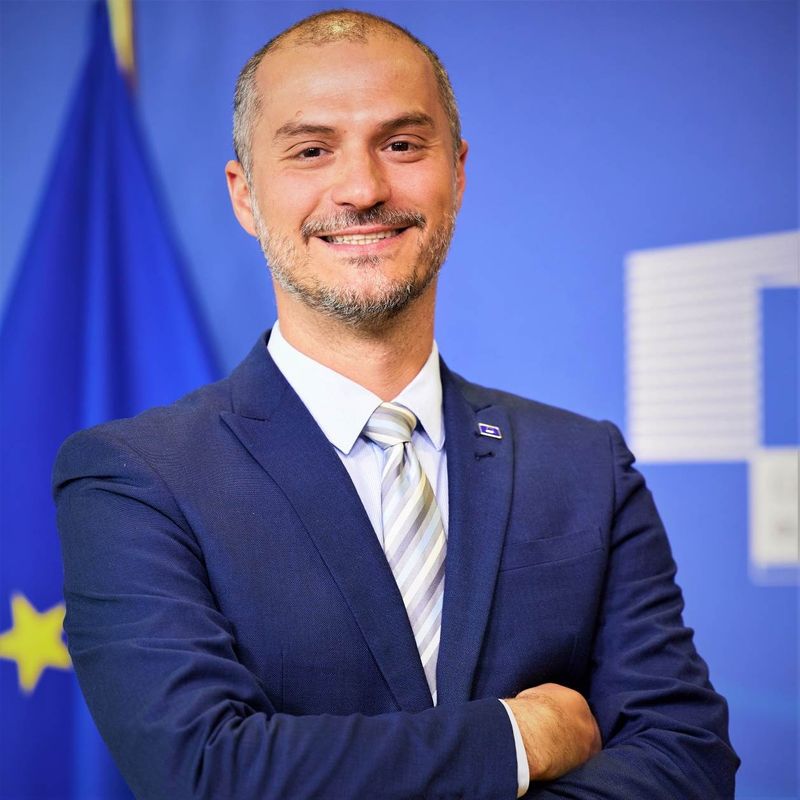
Liviu Știrbăț
Head of AI in Science at the DG for Research and Innovation in the European Commission
Liviu was previously a member of cabinet for Executive VP Vestager in charge of innovation, space, and sustainability. He was Deputy Head of EU Adaptation to Climate Change, and Deputy Head of better regulation for research (including Horizon Europe). Prior to the European Commission, he worked for the OECD and the World Bank. He holds degrees in astrophysics and economics from Harvard, Leiden, and the Paris School of Economics.
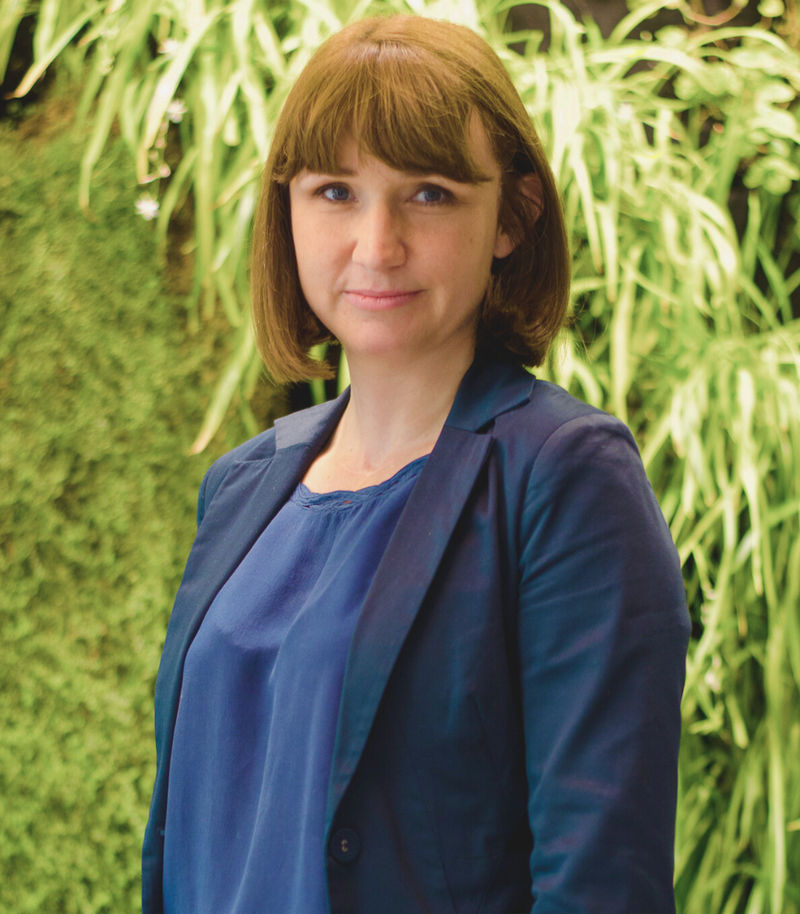
Barbara Świątkowska
National Science Centre, Poland
Barbara has worked at the Polish National Science Centre since 2018. Currently, she is an expert in the coordination team of the candidate European Partnership on Social Transformations and Resilience. The Partnership will create a ten-year transformative R&I programme in which the social sciences and humanities will explore and utilise their potential to provide support for political and social initiatives aimed at building resilience, ensuring fairness and inclusiveness, and fostering social cohesion in the context of changes in climate and environment, demography, rapid technological development and unexpected shocks.
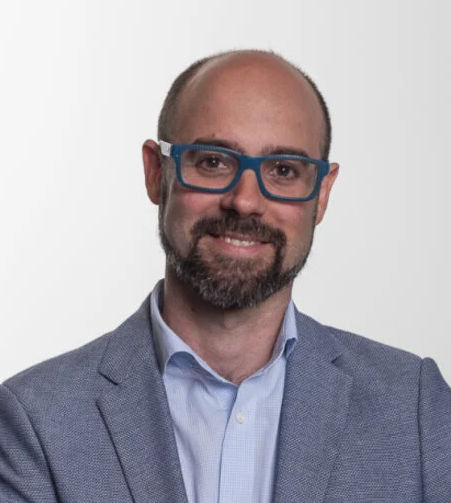
Miguel Ruiz Osés
DG Research and Innovation, European Commission
Miguel is a Policy Officer at DG RTD. He holds a background in experimental and accelerator physics, with previous postdoctoral and research experience at institutions including the Fritz Haber Institute of the Max Planck Society and Brookhaven National Laboratory
Panel on proposal writing and AI
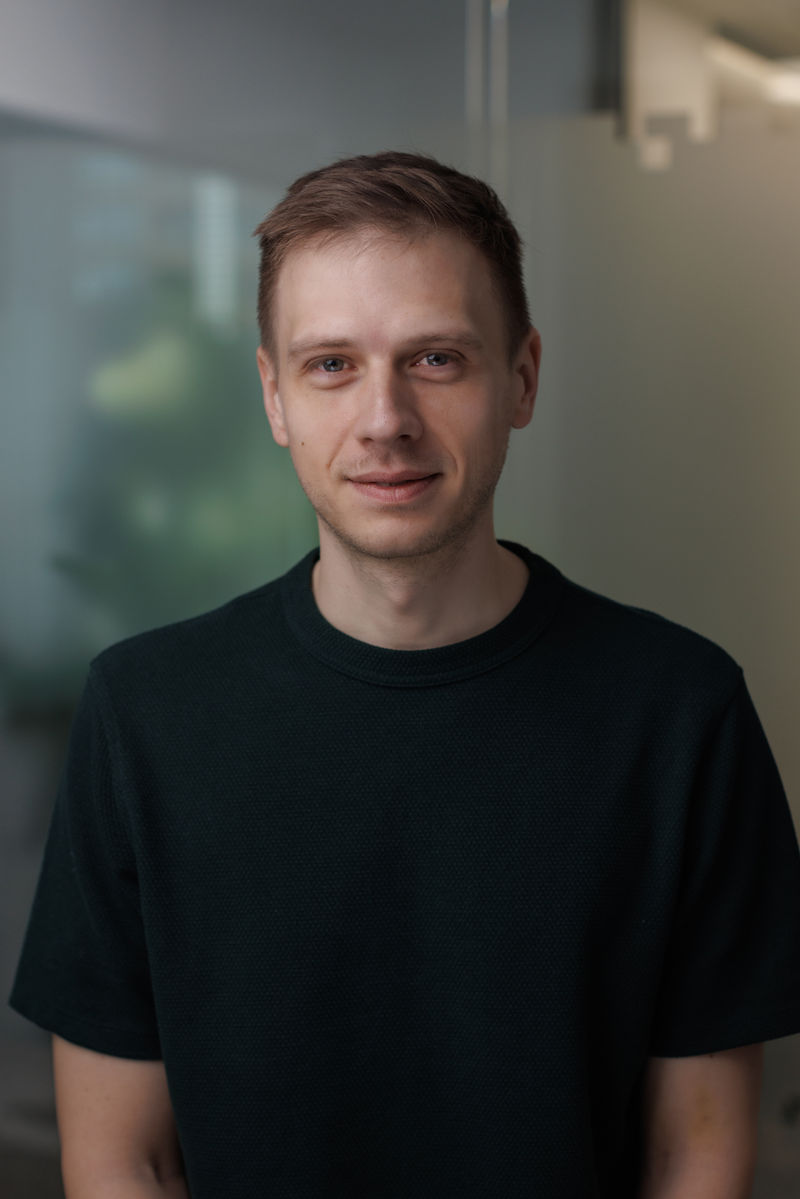
Michal Kompan
Chief Research and Innovation Officer at the Kempelen Institute of Intelligent Technologies
Michal is a co-founder of the Kempelen Institute of Intelligent Technologies, where he now holds the position of Chief Research and Innovation Officer leading several research projects. He specializes in recommender systems, machine learning, user modelling, and information retrieval. He also drives research to impact through industry collaborations.

Michaela Liegertová
Faculty of Science of Jan Evangelista Purkyně University and the Institute of Molecular Genetics of the Czech Academy of Sciences
Michaela is an interdisciplinary biologist involved in ELIXIR-CZ, the Czech national infrastructure, where she focuses on using AI to work with biological data. She is also committed to raising awareness and creating an environment that supports the practical, critical and responsible use of AI in science and higher education.
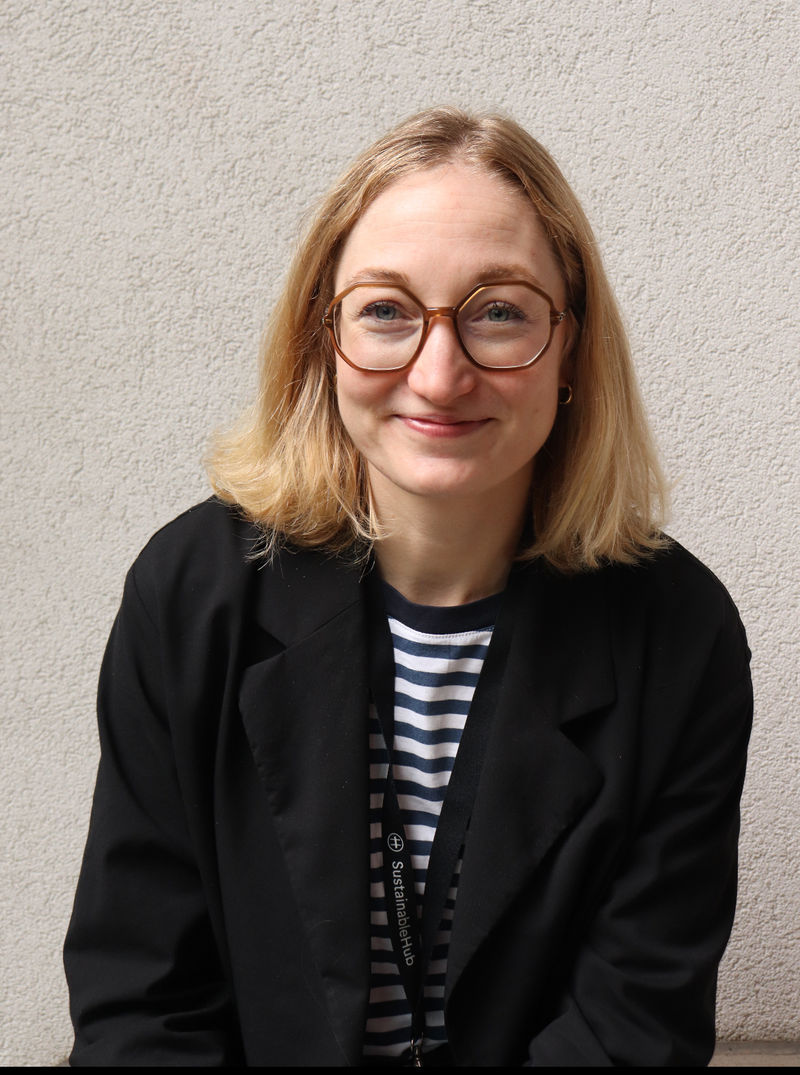
Sophie Pornschlegel
Senior Adviser at the European Policy Centre and researcher at the University of Maastricht
Sophie is a Brussels-based EU policy analyst and researcher. She is a senior adviser at the European Policy Centre and a researcher at the University of Maastricht, working on European sovereignty in the fields of defence and digital policy.
Panel on proposal evaluation and AI
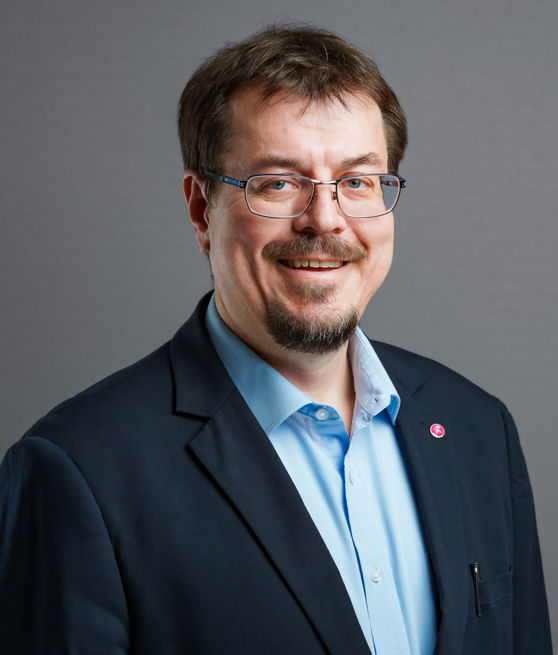
Miroslav Havránek
Presidium Member of the Technology Agency of the Czech Republic
Miroslav's research background covers environmental policy, climate change, energy, foresight and emerging technologies. From 2018 to 2023, he headed the Czech Environmental Information Agency (CENIA). He has also held several national and international expert positions, including Vice-Chair of the UNEP GEO-7 panel. At TACR, he focuses particularly on emerging technologies, including artificial intelligence and drones.
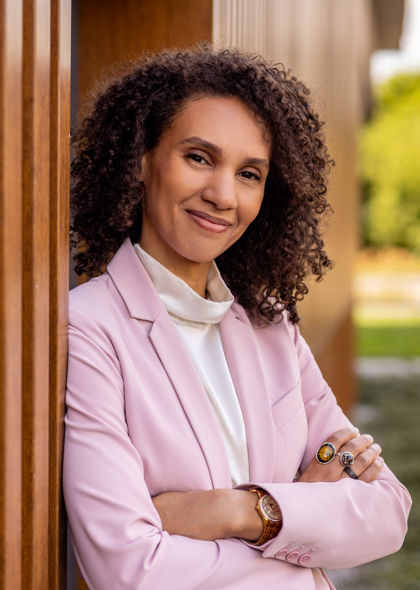
Margaret Ohia-Nowak
Professor at the UMSC in Lublin
Margaret specializes in the topics of race, Blackness, racist discourse and media communication. She currently leads a project examining racialising discourses in Polish large language models (LLMs). She is also co-founder and co-director of the Black Justice Poland Foundation and is active in education and advocacy on racial justice and equality.
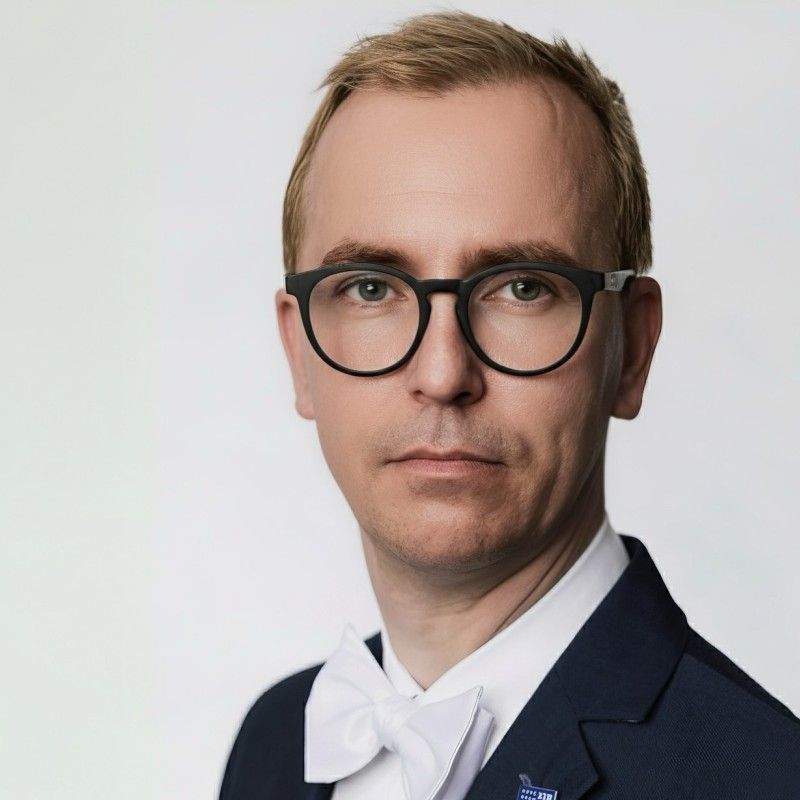
Martin Weis
Professor at the SUT in Bratislava, Slovakia
Martin is Professor of Electronics at the Slovak University of Technology in Bratislava, where he leads the Organic Electronics Lab at the Institute of Electronics and Photonics. He also serves as Chief Scientific Advisor at SK Chips, Slovakia’s national semiconductor competence centre. His research focuses on organic materials, semiconductors, and organic electronics.
Location
Do you have any questions?
Reach out to the organizers at: Reka.Valcsak@mfa.gov.hu